
Food
Cereals, livestock, fishing, fruit and vegetables, food industry: what the country produces to feed itself, and what it has to buy. Egypt feeds close to a hundred and twenty million people and buys more than half its wheat.
 PoliEconia
Windows · Steam · Early Access spring 2027
From wheat to lithium, the Resources menu shows what your country produces and consumes, what it imports and exports, line by line: 50 industries and 29 commodities. Every line has its settings, and every setting has a price.
Cereals, livestock, fishing, fruit and vegetables, food industry: what the country produces to feed itself, and what it has to buy. Egypt feeds close to a hundred and twenty million people and buys more than half its wheat.
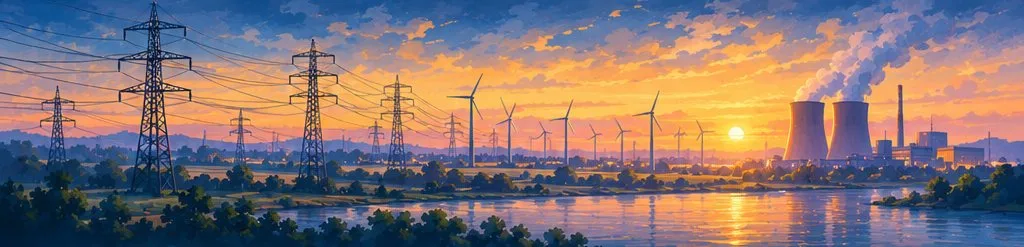
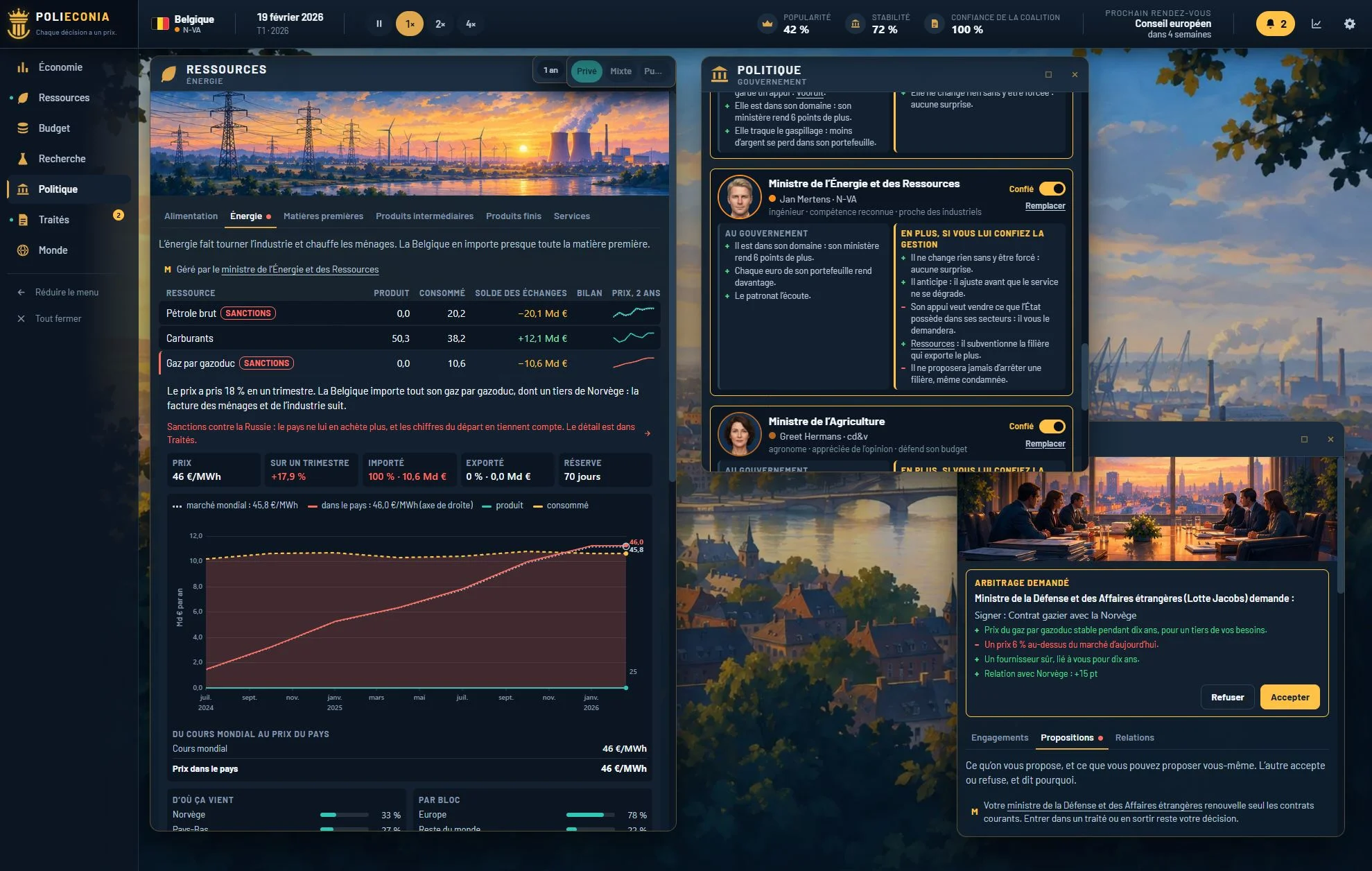
Crude oil, fuels, pipeline gas and liquefied gas, coal, uranium, electricity: their price runs through the whole economy, and a shortage stops everything. Belgium imports almost all of its raw energy.
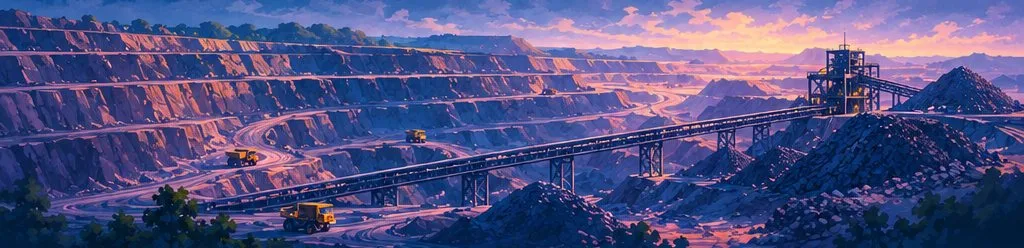
Iron ore, copper, aluminium and bauxite, critical metals, gold: what the ground provides, and what industry has to bring in.
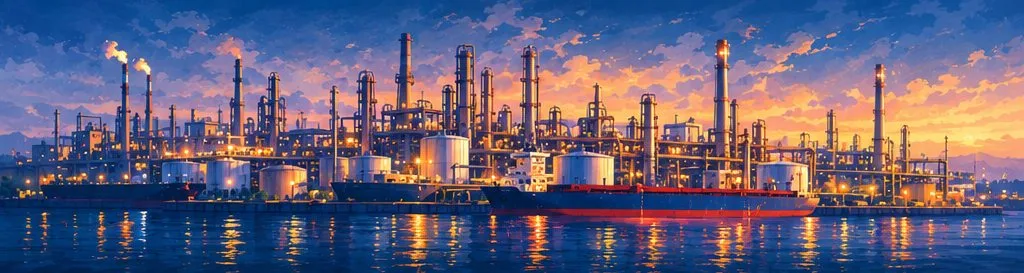
Chemicals, plastics, steel, cement and glass: the goods used to make all the others. The Antwerp chemical cluster is the largest in Europe.
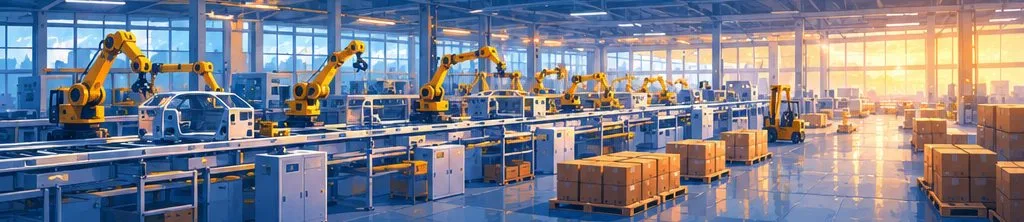
Machinery, vehicles, electronics, pharmaceuticals, clothing: what the country makes, and what it imports ready-made. Pharmaceuticals are Belgium's strong point; electronics come from elsewhere.
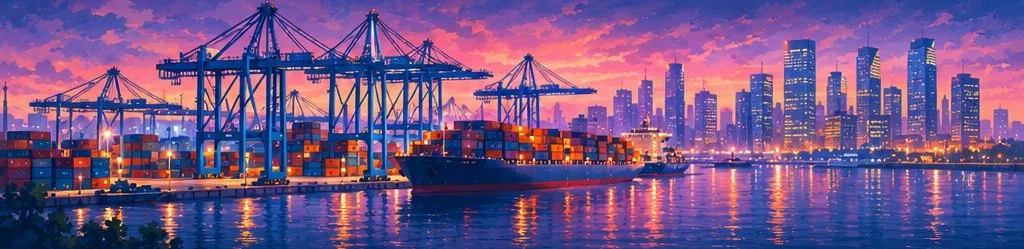
Retail, transport and logistics, finance, digital, tourism: most of the jobs and of the wealth produced. In Egypt, the Suez Canal and tourism bring in the hard currency that pays for wheat.
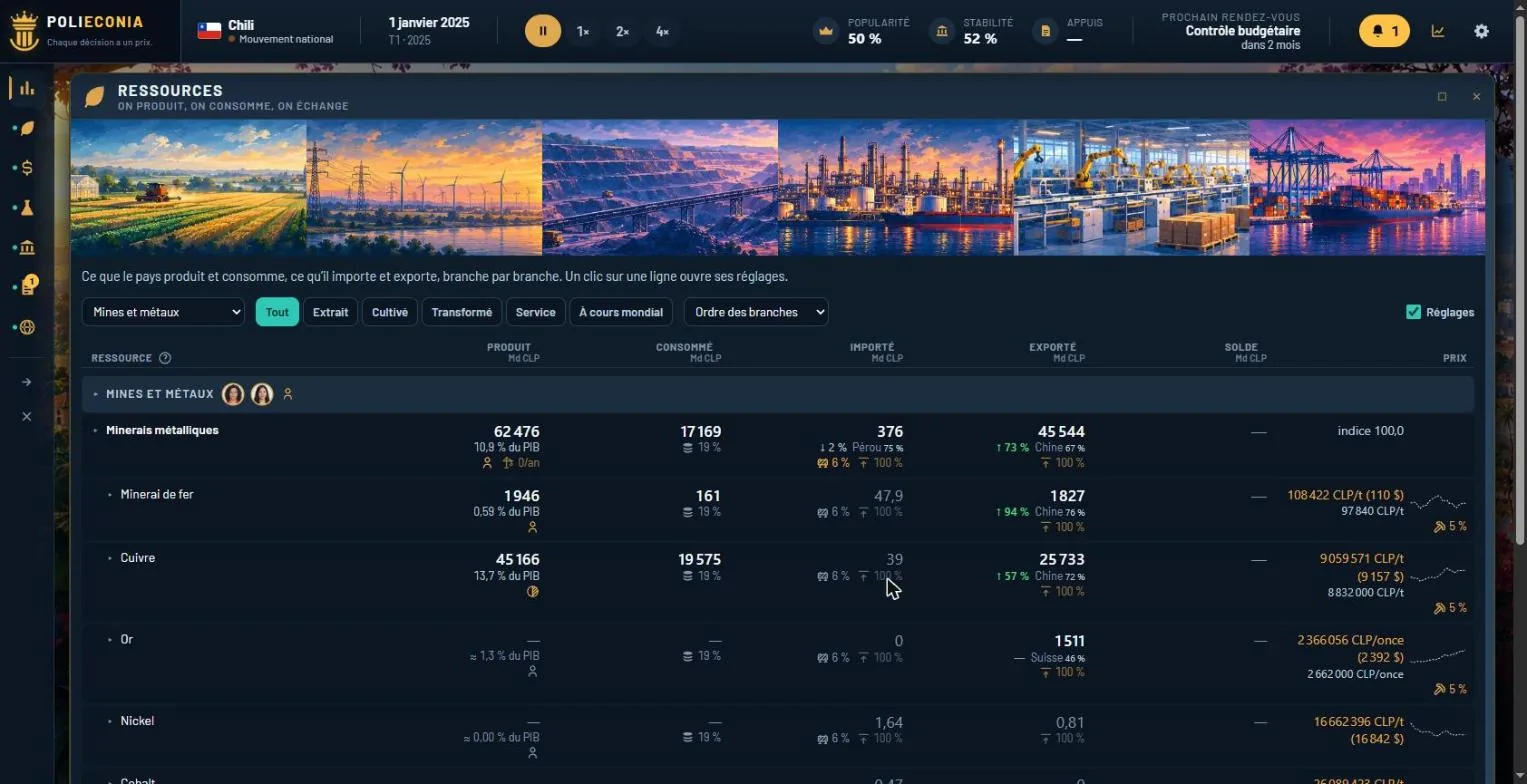
For every resource, the game shows what the country produces, consumes, imports and exports, the balance, the dependency and the price, with its curve. Click a line to open its settings and the details.
The starting figures come from the OECD, the FAO, JODI, the BGR, the USGS and the BACI database. A shortage does not stay in its branch: the engine's input-output table passes it on to every branch that depends on it.
Starting situations shown in the development build of the game.
Both. PoliEconia is a deep management game, where you run a real country's economy line by line, and a geopolitical strategy game, where every choice plays out against the other 113 countries. It will launch on PC (Windows), first in Early Access on Steam.
Yes. The Resources menu covers energy, food, minerals, industry and services: 50 industries and 29 commodities. For each one you set ownership, investment, royalty, tariffs, trade caps and, for storable goods, a strategic reserve.
50 industries in six families, and 29 commodities tracked on their markets, from wheat to oil and from copper to lithium and rare earths. Every commodity with a world price gets that price from the supply and demand of the countries.
The price rises, with a shortage premium, and the shortfall spreads to the branches that depend on it. To prepare: a strategic reserve, export caps, or an energy-saving plan on gas, electricity and fuels.
Yes. A branch moves from private to public ownership through a law, in force a year later, and the buyout is spread over five years, financed by debt. A public branch reinvests a share of its income instead of receiving a subsidy.
Yes: every means of production can be allowed, stopped, or put on a scheduled phase-out over one to twenty years. Stopping an industry does not remove the need: you produce another way, or import.
Yes. The sanctions against Russia are already in the starting figures: the countries applying them no longer buy from it. A line hit by an embargo or sanctions is flagged, and the details are handled in the Treaties menu.
PoliEconia is being tested on full playthroughs, country by country. Leave an address: one message when the game opens, nothing else, with a one-click unsubscribe link.